
The Vicious Cycle of Agrotoxins
 Despite the apparent health risks, consumers know very little about what they are consuming and the industry insists that there is a "safe level" for the consumption of these substances. May 5, 2017 4:20 p.m.
By Carla Bueno, Mariana Tarricone Garcia and Marina Cobra Lacorte*
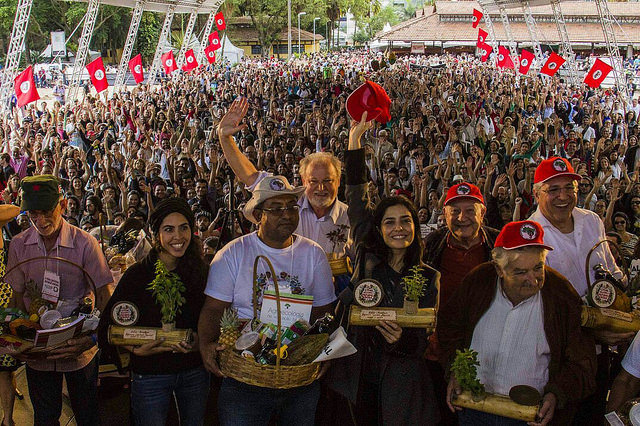 2017, became a political act in defense of agroecology and the agrarian reform. According to the Landless Rural Workers’ Movement (MST), around 10 thousand people attended the activity, which is part of the Second National Fair of the Agrarian Reform.
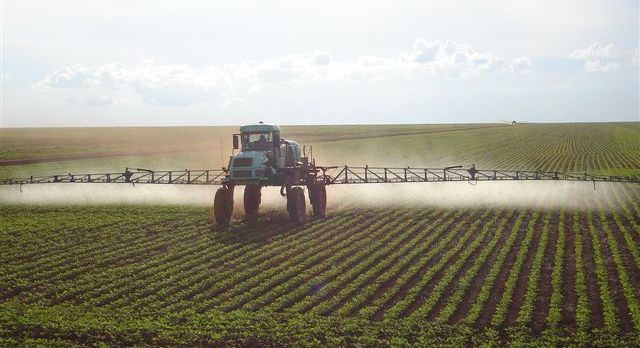 article, Alan Tygel talks about the issue.
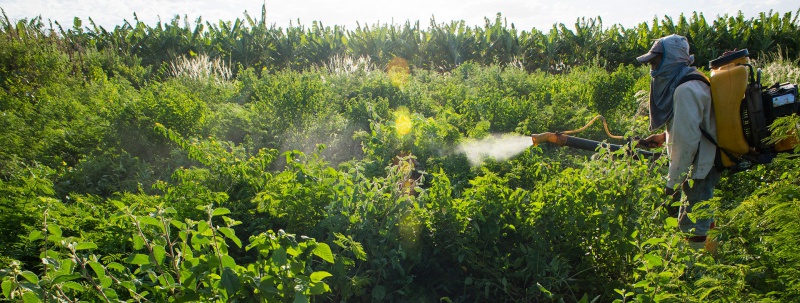
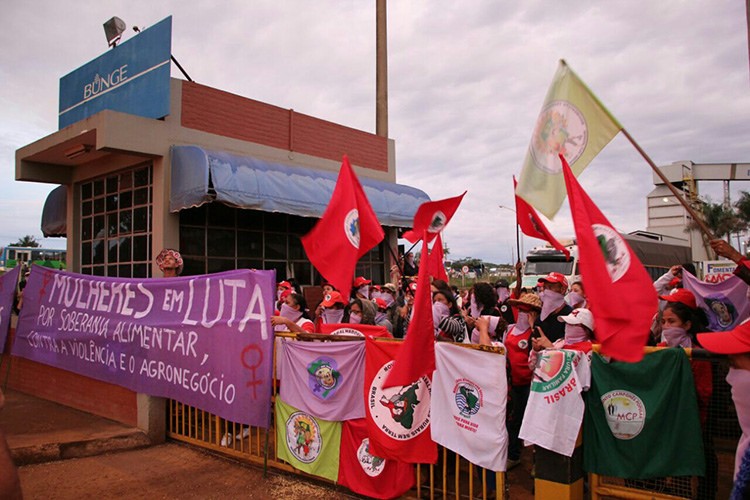
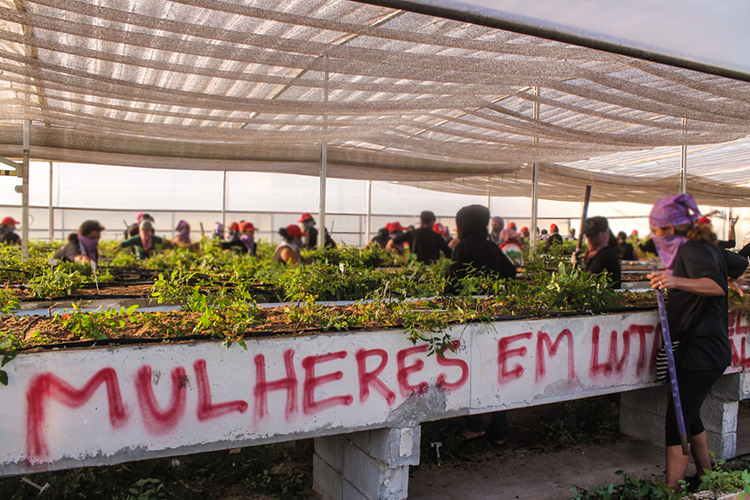 Through synchronized actions, social movements block the legalization of genetically modified Eucalyptus
 of agribusiness and imagines large estates producing food for Brazil’s refrigerators is gravely mistaken. What the television doesn’t tell us is that agribusiness is a form of agricultural production in which food isn’t actually produced. It doesn’t tell us that agribusiness depends on large amounts of agritoxins, and that what is produced is, in the end, exported abroad – even if public resources are used. Even worse, most land is in the hands of foreign businesses and international banks. Check out below what the real consequences of agribusiness are.
 The year 2013 won’t be missed by the Landless throughout the country. Regarding the struggle for land, the balance is positive, due to the demonstrations, marches and occupations of land and public buildings that occurred almost throughout the year.
 Last Tuesday morning (10/15), 5000 peasants, members of the MPA (The Small Farmers Movement), occupied Monsanto’s 36th Research Unit located at the Nilo Coelho irrigation district in Petrolina, in the northeast of Brazil.