
2019 will be synonymous with struggle and resistance
In an interview, Kelli Mafort from the MST national leadership, speaks about the year that ended and analyzes what the next period will bring.
On November 4, 2016, the police invaded Escola Nacional Florestan Fernandes (ENFF), the 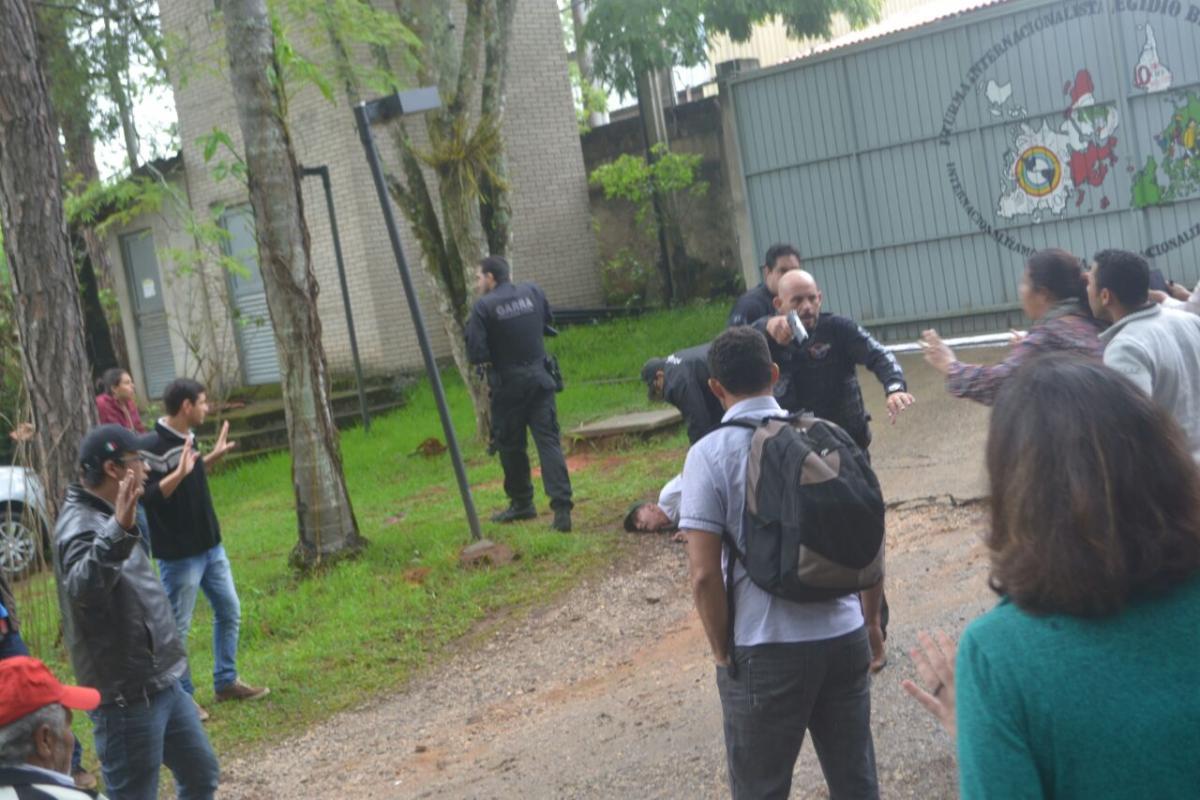 MST’s national school, firing live ammunition into the air. The police arrived without any warrants terrorizing classes in session. After retreating outside the school’s gates, ostensibly waiting for warrants, the police withdrew.
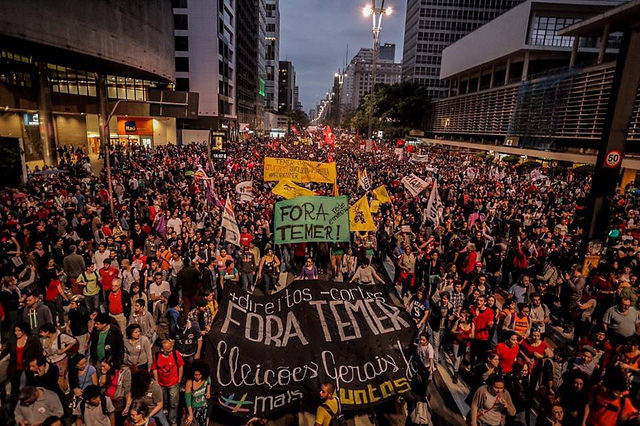 Over a hundred thousand people attended the protest against the Temer government on Sunday, September 4 on Paulista Avenue. The demonstration, organized as a united action by the Brazil Popular Front and People Without Fear, criticized the process of institutional breakdown in the country and the agenda to curtail rights announced by the PMDB.
The final trial, which will be carried out in the last days of August, will define the destiny of the 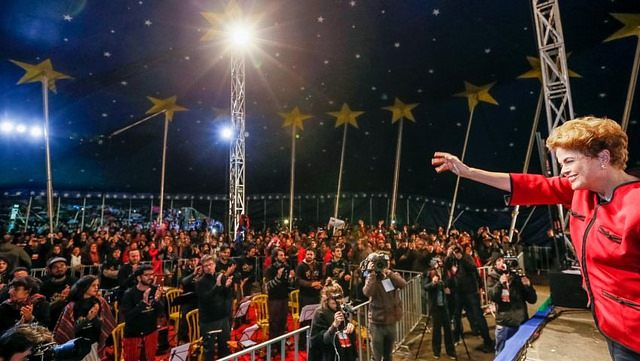 Brazilian democracy.
By 59 votes against 21, the Senate approved last Tuesday (August 10, 2016) the rapporteur of Senator Antonio Anastasia (PSDB-MG), which validates the denounce against President Dilma Rousseff for a liability crime. Now Dilma is going to final trial by the plenary of the Senate.
“The sugar cane, beef and soy of Mato Grosso are stained with the blood of the indigenous”, declares one passage of the statement.
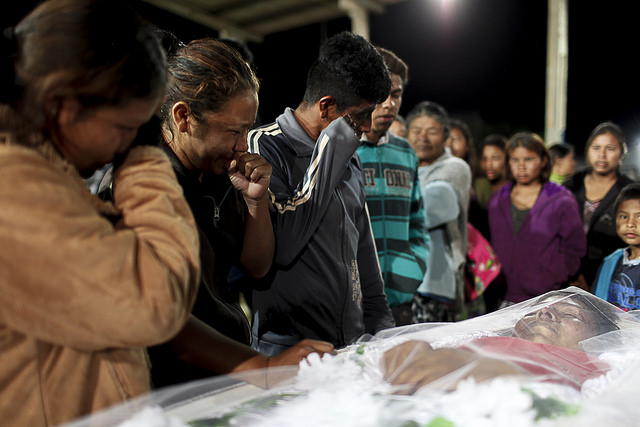
Last Friday the MST released a statement vehemently condemning the massacre committed against the Guarani and Kaiowa community in the interior of South Mato Grosso in which 20 people suffered gunshot wounds and an indigenous man, Clodiodi Aquileu Rodrigues, was brutally murdered.
Statement from the Pastoral Commission on Land and other organizations: Struggling for land is an exercise in citizenship
The recent historical trajectory of Latin America has been marked by the dominance of the neoliberal project in the '90s. Then there were uprisings in several countries and the people elected progressive governments that dominated the 2000 scenario (with the victory of Chavez) until 2013. In this last period there were three political-economic projects on the continent.
The first was the neoliberal project that represented the interests of big local capital and transnational companies and especially U.S.banks
1. The current global crisis of capitalism, initiated in 2008, is causing increased unemployment, increased social inequality and concentration of income and wealth, besides intensifying the use of repressive state apparatus worldwide.
2. Big capital is unable to provide outlets for capitalism’s crisis. They emphasize that it will be a deep, long crisis, which will require structural reforms. Its social consequences are still unpredictable.
By Nilton Viana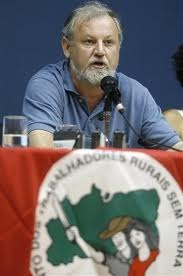
"It is time for the government to ally with the people or pay the bill in the future." This is one of the evaluations of João Pedro Stedile, from the national coordination of the MST on demonstrations across the country. According to him, there is an urban crisis installed in Brazilian cities, provoked by this stage of finance capitalism. "People are living a hell in the big cities, losing three, four hours a day in traffic when they could be with family, studying or involved in cultural activities," he says.

When the confetti was still falling after her victory at the polls on October 31, Dilma Rousseff, Brazil's first female president-elect, said, "I want to state my first commitment after the elections: to honor Brazil's women so that today's unprecedented result becomes a normal event and may be repeated and enlarged in companies, civil institutions and representative entities of our entire society."